Applications
Assets in service, protected on a maintenance schedule — with the spec for each.
Plant Structural Steel & Columns
Column bases, beam seats, and the underside of elevated slabs are where plant steel actually corrodes — wherever water collects, drips, or condenses and nobody looks. By the time it is visible from the floor, the base plate region has usually been wet for years.
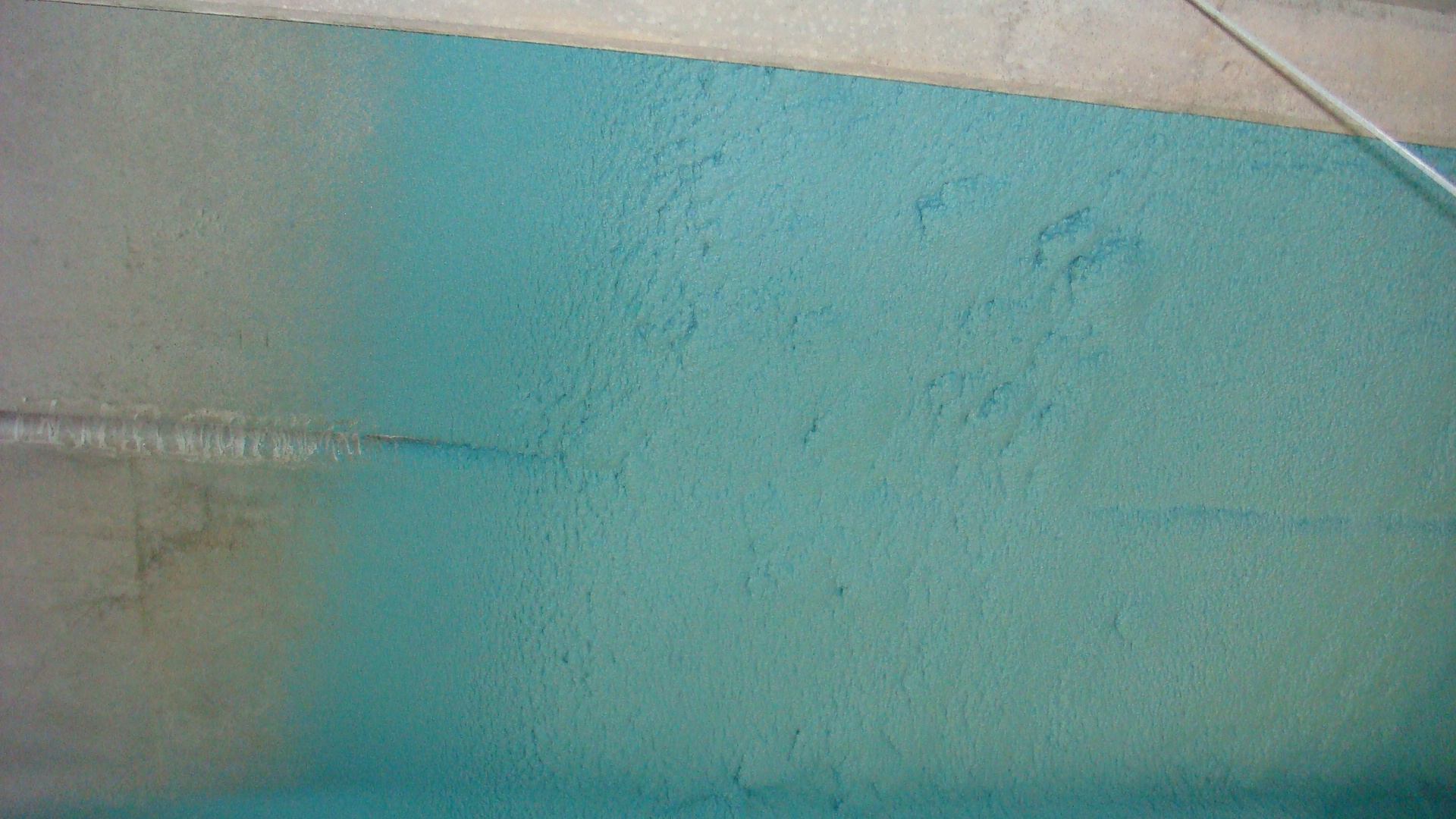
Overcoating protects the whole member without a full blast: power-tool the loose material, prime any mixed substrate, and spray a continuous membrane from base plate to top flange, wrapping the flange edges and bolted connections as one film.
Get ultrasonic thickness readings on base plates before you spec anything. A coating over a column that has lost section is a decision, not a repair.
Spec: OR93BL at 30–40 mil over SP3-prepped steel, 7001 primer over aged coating. 60 mil in the base-plate splash zone.
Conveyors, Galleries & Transfer Points
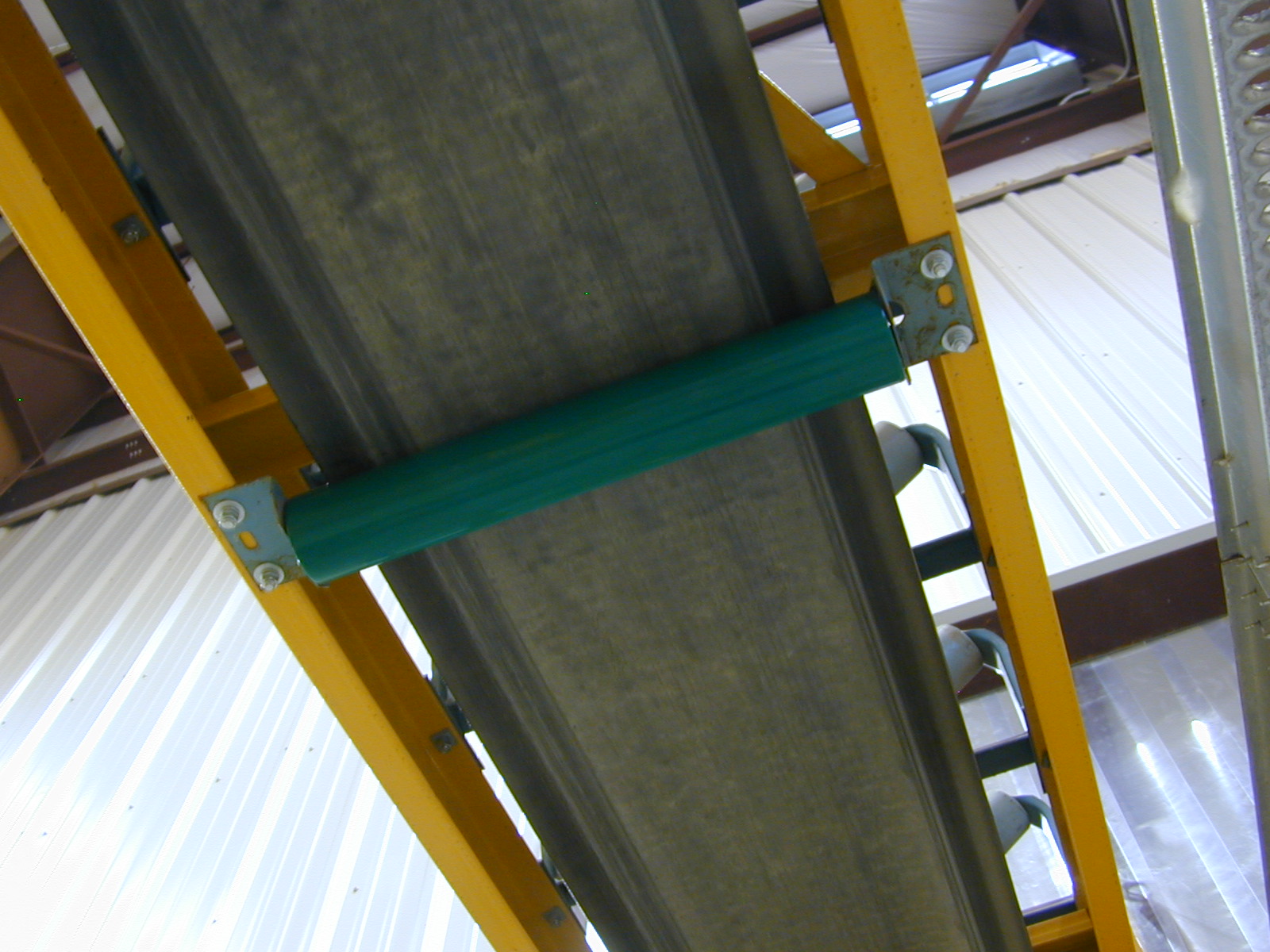
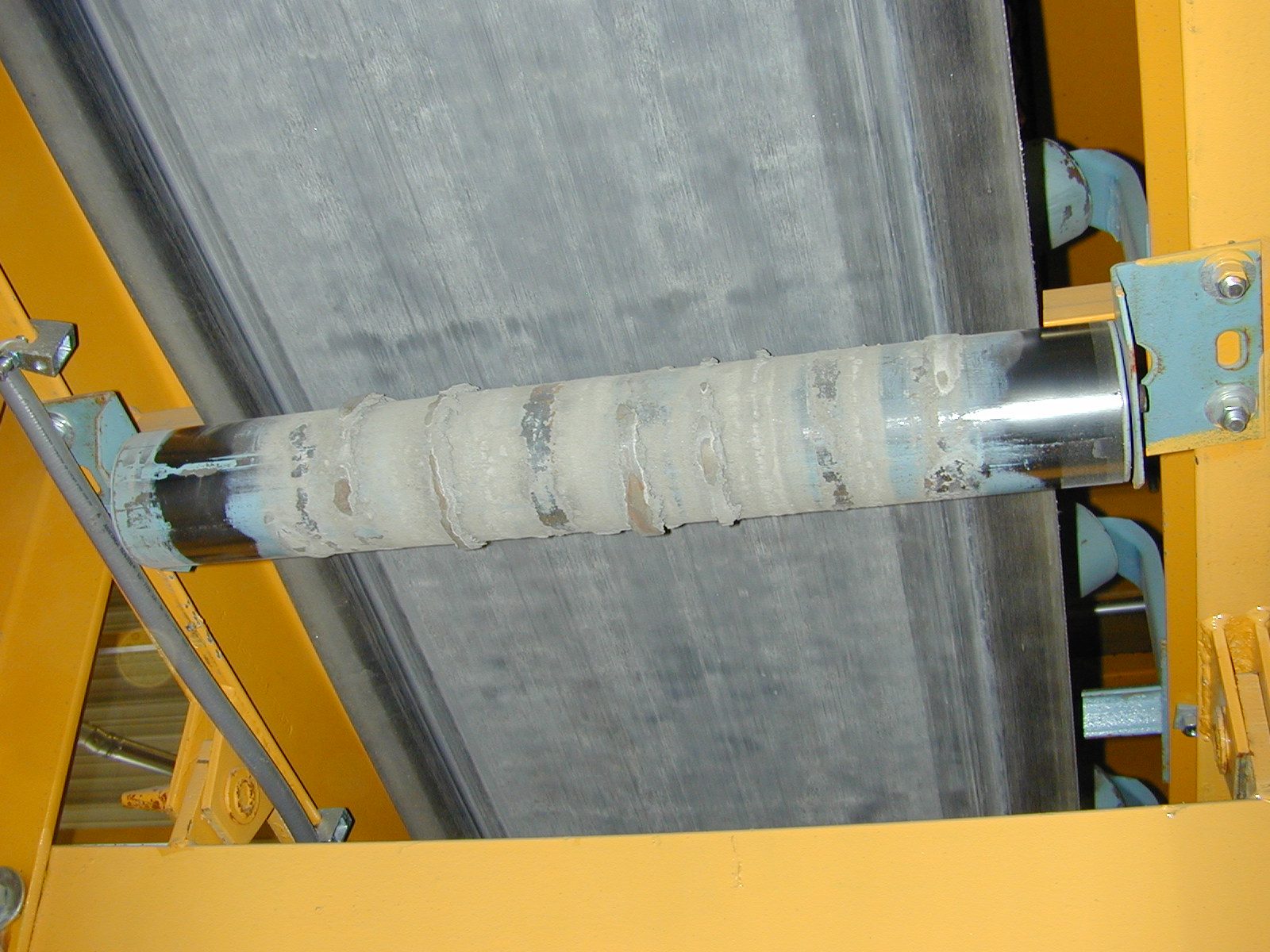
Conveyor systems combine everything that makes maintenance coating hard: continuous vibration, spillage that holds moisture against the steel, difficult access, and a shutdown window that competes with production.
They also fail predictably — at skirt boards, at transfer chutes, under idler brackets, and along the drip line where carryback lands. Those are the areas worth the crew time, and they are areas where a flexible membrane substantially outperforms a hard coating that vibration will eventually crack.
Single-pass application matters here more than anywhere: one shutdown, one crew, one coat.
Spec: OR93BL at 30–40 mil on frames, stringers, and walkways; Flak Jacket Pro at 80–120 mil on chutes, skirts, and transfer points.
Aging Metal Roofs & Bar Joists
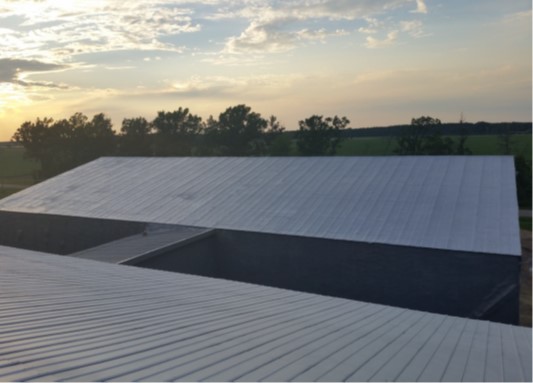
A metal roof rarely fails across the panel. It fails at fasteners that have backed out, at laps that have worked open with thermal cycling, and on the underside of joists where condensation drips in a wash-down or livestock building.
Overcoating turns thousands of individual penetrations into one continuous membrane and buys years on a roof that would otherwise be a tear-off. The elongation matters here: the same thermal movement that opened the laps will keep happening under the new coating.
Spec: 7001 primer at laps, seams, and fastener heads, then OR93BL at 40–60 mil across the field. FJ1 at 60 mil where crews walk the roof regularly or hail is a factor.
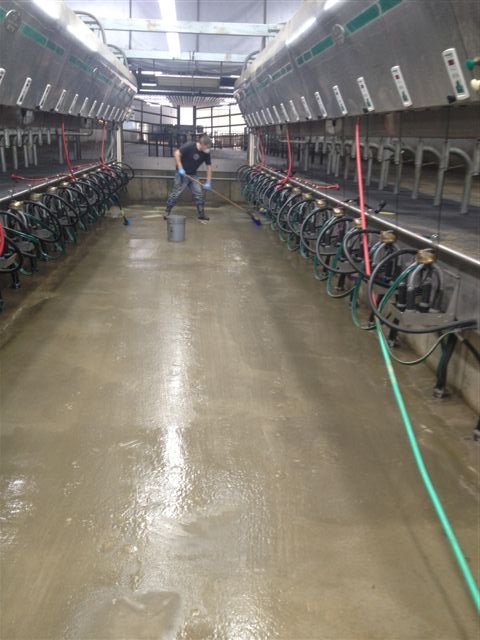
Wash-Down, Food Plant & Livestock Steel
Daily sanitation is brutal on coatings: hot water, caustic and acid cleaners, pressure, and constant condensation. Conventional maintenance systems fail by softening, then by undercutting at every fastener and weld.
A seamless membrane has no fastener annulus and no lap to undercut. It washes down without film failure, does not harbor moisture behind it, and can be repaired locally when a hose reel or a pallet jack gouges it.
In livestock buildings the drivers are ammonia and manure acids rather than sanitizers, but the failure mode and the answer are the same.
Spec: OR93BL at 40 mil on structure and enclosure; FJ1 at 60 mil on contact surfaces, curbs, and equipment bases. Confirm cleaner chemistry with us first.
Fleet Frames & Trailer Underbodies
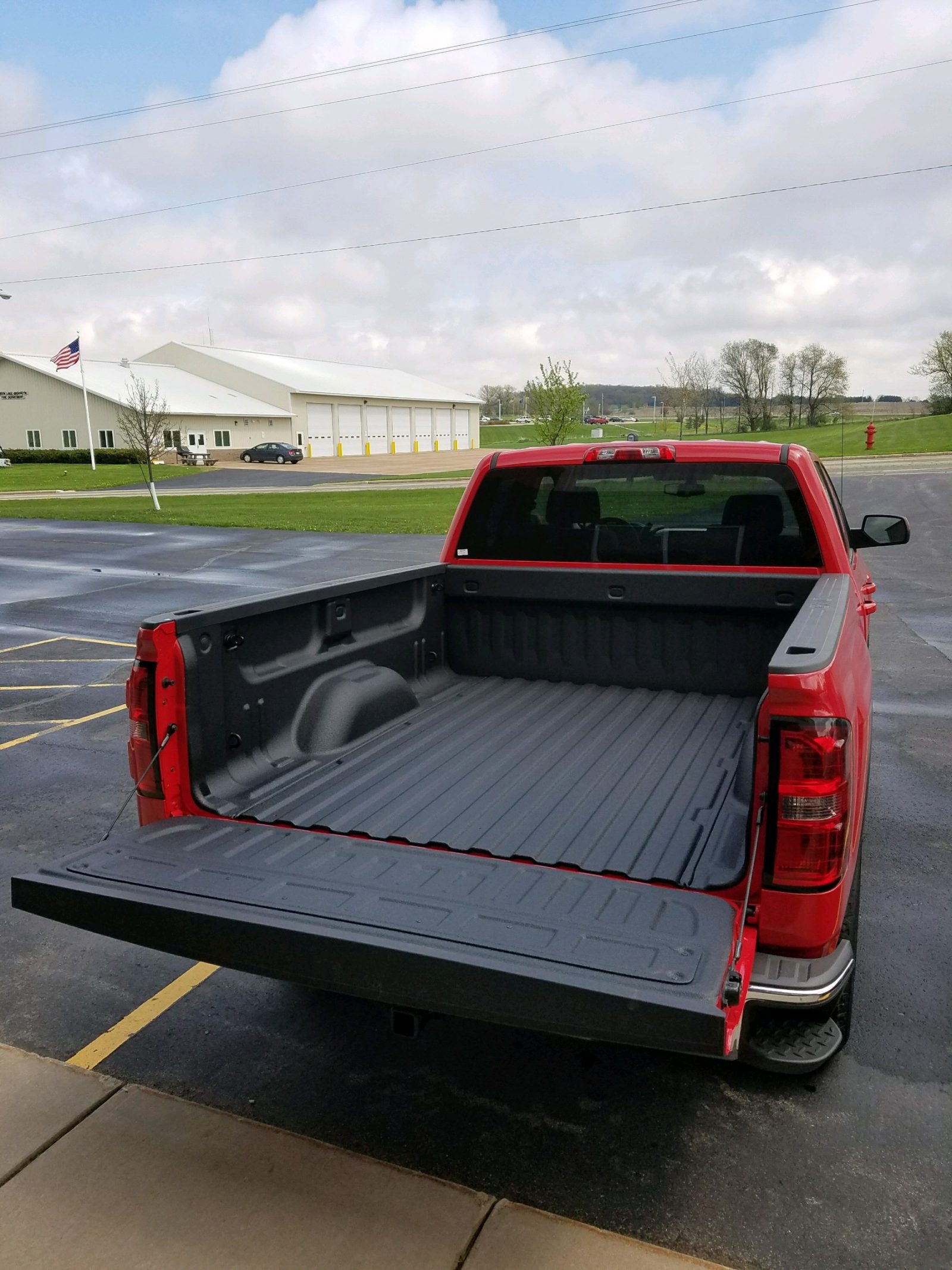
A five-year-old fleet truck is a maintenance asset, not a new one. The frame already has surface rust, the rockers have started, and the factory coating is chalked. Replacing the unit costs far more than protecting what is left of it.
Wire-wheel the loose material, prime the mixed substrate, and spray the frame rails, crossmembers, spring hangers, and underbody as one membrane. The truck goes back on the route the same day rather than sitting in a bay.
Spec: OR93BL at 30–40 mil on frame and underbody over SP3 prep with 7001 primer; FJ1 at 60–80 mil where the bed floor or deck takes load.
Also on Our Maintenance Schedules
- Tanks, sumps, and secondary containment — seamless and holiday-testable, with confined-space planning
- Pipe racks, supports, and shoes — especially at contact points where water sits and corrosion-under-support hides
- Stairs, platforms, grating, and handrail — high edge density where thin-film coatings starve first
- Dock, pier, and marine structures — splash-zone service with chloride verification mandatory
- Dumpsters, compactors, and waste handling — leachate corrosion plus abrasion
- Guardrail, bollards, and gate hardware — de-icing exposure on an annual cycle
- Cooling tower steel and basin areas — continuous wetting and treatment chemistry
Have an Asset You Are Trying to Keep Alive?
Send photos and thickness readings if you have them. We will tell you whether it is a coating problem, a repair problem, or a replacement problem — including when the answer is not to sell you coating.
Ask a Corrosion QuestionGet a Maintenance Spec
Tell us about your project and we will follow up with product details, technical data sheets, and pricing.